
Arabica, robusta, liberica: three coffees, three characters
A “100% arabica” stamp alone won’t guarantee you good coffee. Come and meet three coffees that share your cup, each with a completely different character.

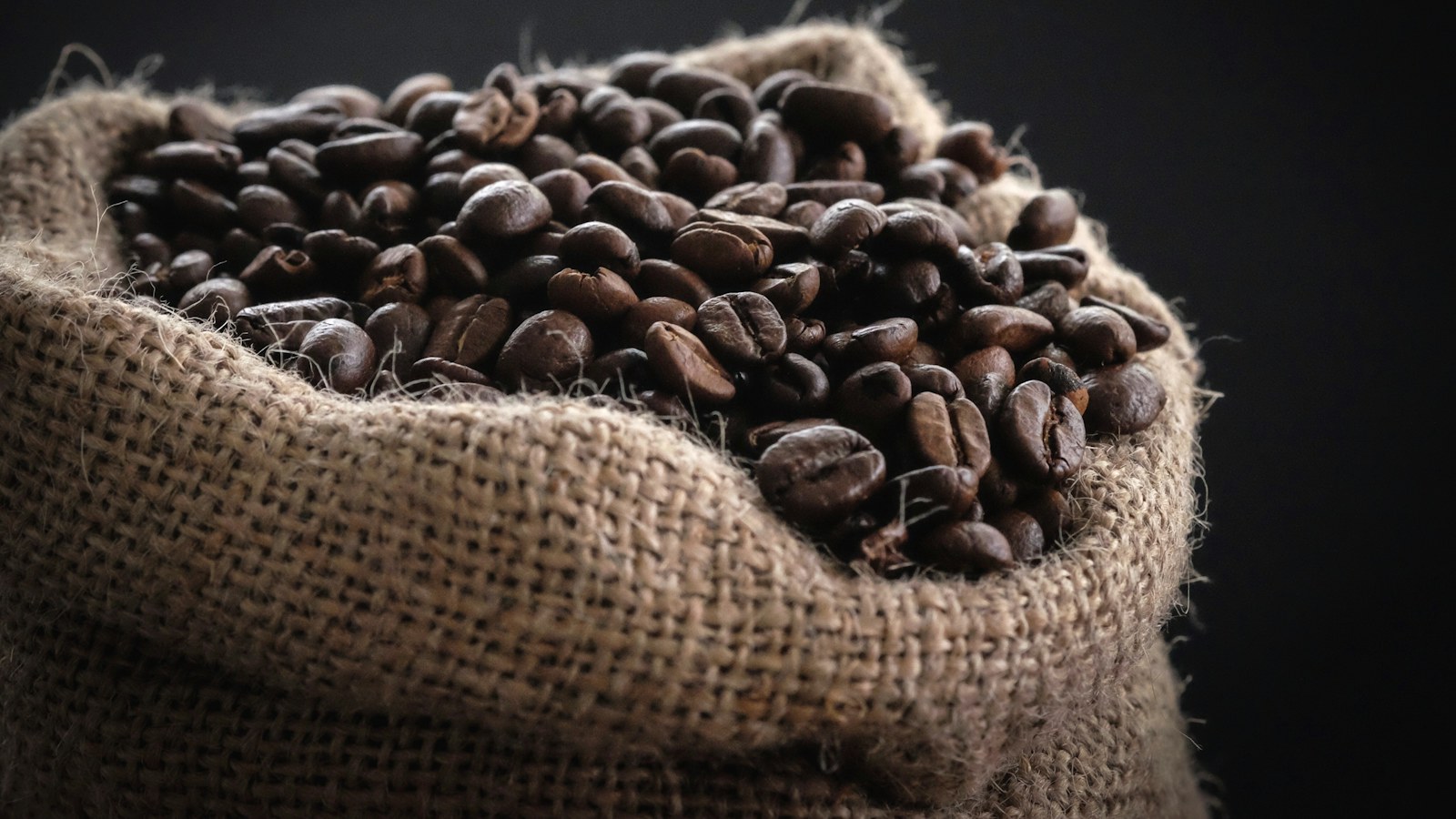
You’re standing in a shop, a bag of coffee in your hand, and on it in big letters “100% ARABICA”, as if it were a medal. One shelf lower sits a cheaper pack without that stamp — and you’re already sure it will be the worse choice. I know the feeling; I shopped that way for years myself. But it’s far from that simple. Robusta is no brute, and you’ve most likely never even tasted liberica. Come with me and meet three coffees that share your cup — each with a completely different character.
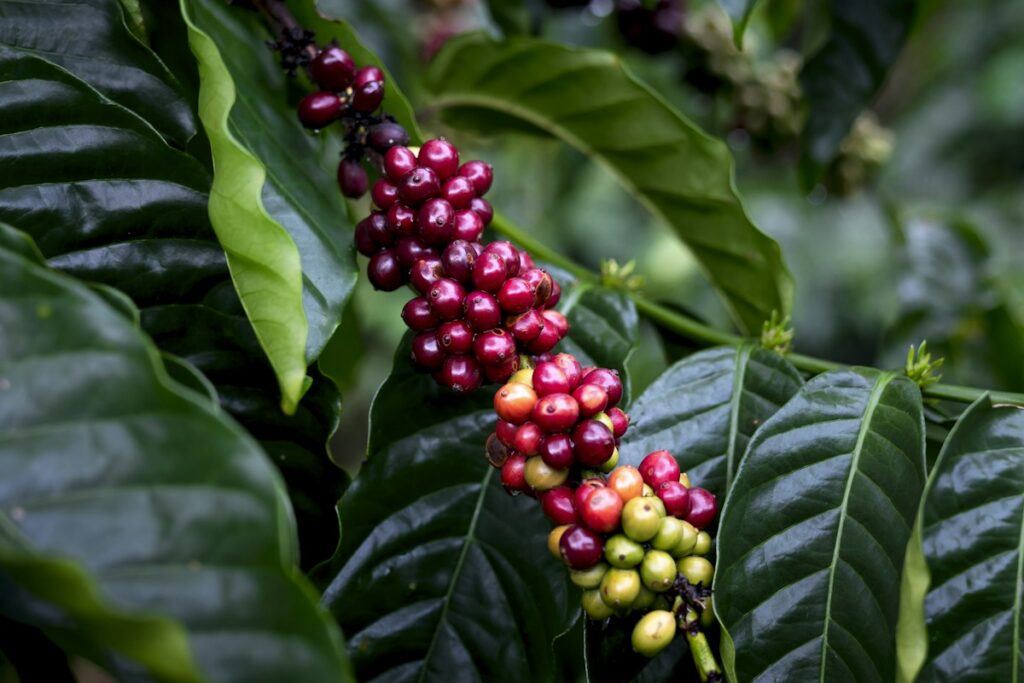
Why does everyone only talk about arabica?
Arabica (Coffea arabica) is the queen of the market. It makes up roughly 55 to 60 percent of the world’s harvest and comes from the Ethiopian highlands, from where coffee spread out into the world. And that altitude is its secret: it likes to grow high up in the mountains, where it’s cooler and where the cherries ripen slowly. Slow ripening means more sugars and more aromas, so arabica can be delicate and fragrant, with that lively acidity people love in specialty coffee. On top of that, it has the least caffeine of the three — roughly one to one and a half percent.
There’s a catch. Arabica is a delicate soul. It doesn’t cope well with heat, it’s prone to disease (above all coffee leaf rust, the growers’ nightmare — we’ll talk about coffee plant diseases another time), and growers have to work hard for it. That’s why it costs more and why people boast about it. When you buy specialty coffee for filter, you’re almost certainly drinking arabica.
Robusta: the tough guy that may not deserve its reputation
Robusta (Coffea canephora) is the other big piece of the puzzle, around forty percent of the harvest (and its share is slowly growing). The name suits it — it’s a tough one. It grows in the lowlands, copes with heat and disease, yields a lot, and that’s why it’s cheaper. It also has almost twice as much caffeine as arabica.
It tastes different: earthier, more bitter, leaning towards nuts and dark chocolate. Don’t expect the lively acidity you know from arabica. In espresso it gives a thicker crema and a proper “kick” in milk drinks, which is exactly why it turns up in Italian espresso blends and often in instant coffee too.
And now the important bit: robusta isn’t a dirty word. Cheap, carelessly processed robusta really can be awful — but there is also carefully grown fine robusta that will surprise you. So the problem usually isn’t the species of coffee. It’s sloppiness. A bit of good robusta in an espresso blend won’t do you any harm at home; quite the opposite.
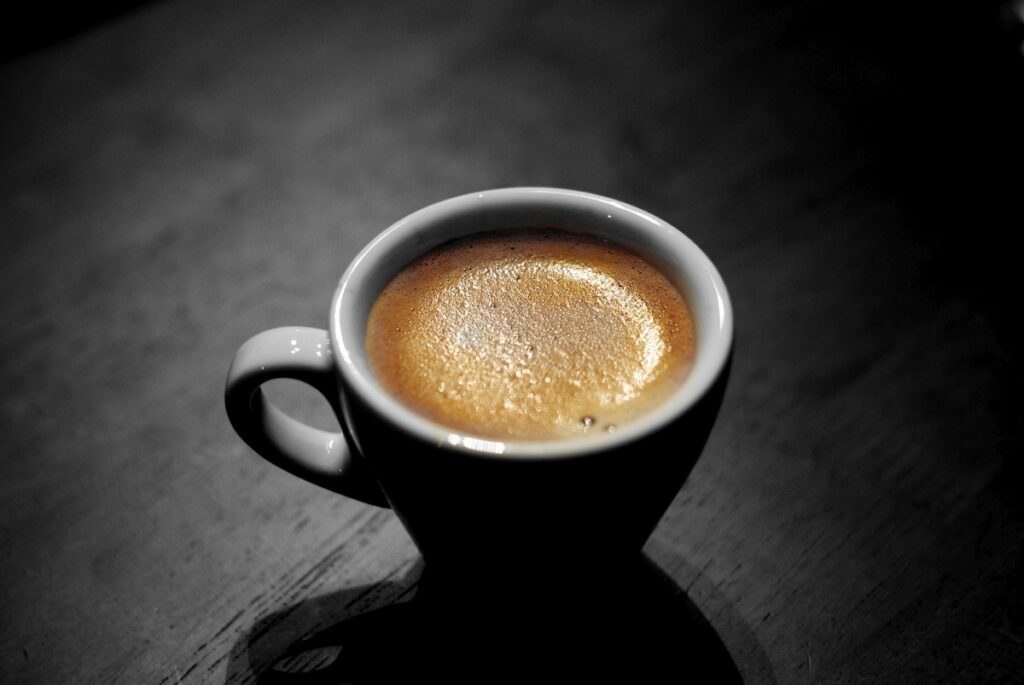
Liberica: the third one almost nobody knows
There are more than a hundred coffee species, but commercially it’s mainly these two that count — and then there’s a third one you’ll only rarely come across: liberica (Coffea liberica). Altogether it makes up less than two percent of world production. It’s named after Liberia, where it comes from, and you’ll recognise it at first glance: it has large, irregular beans, nothing as neatly symmetrical as arabica.
It tastes idiosyncratic — most often distinctly fruity, all the way to jackfruit, and for some people it even veers into smoky or woody notes. And if you don’t know jackfruit: when ripe, it’s a huge tropical fruit, very sweet and aromatic, a bit like banana and bubblegum. In short, a coffee that splits people into two camps. It’s most at home in Southeast Asia; in the Philippines they make the strong kapeng barako from it. It’s a rarity. And that’s exactly why, if you ever see it somewhere, don’t hesitate and order it — the chance won’t come round again any time soon.
Arabica isn’t just one coffee
One more thing people often miss: even “arabica” isn’t one single coffee. It hides a whole range of varieties — coffee “cultivars” — and each tastes a little different. The two most important ones, from which many others descend, are called Typica and Bourbon. And then there are stars like Gesha (sometimes spelled Geisha), which made its name in Panama: floral, with jasmine and bergamot, and at auctions it fetches outrageous prices. So when you see a variety name next to the country of origin on a bag, take it as one more hint of what to expect. It’s a bit like apple varieties — a Gala simply tastes different from a Granny Smith, and yet it’s still an apple.
Where they actually thrive
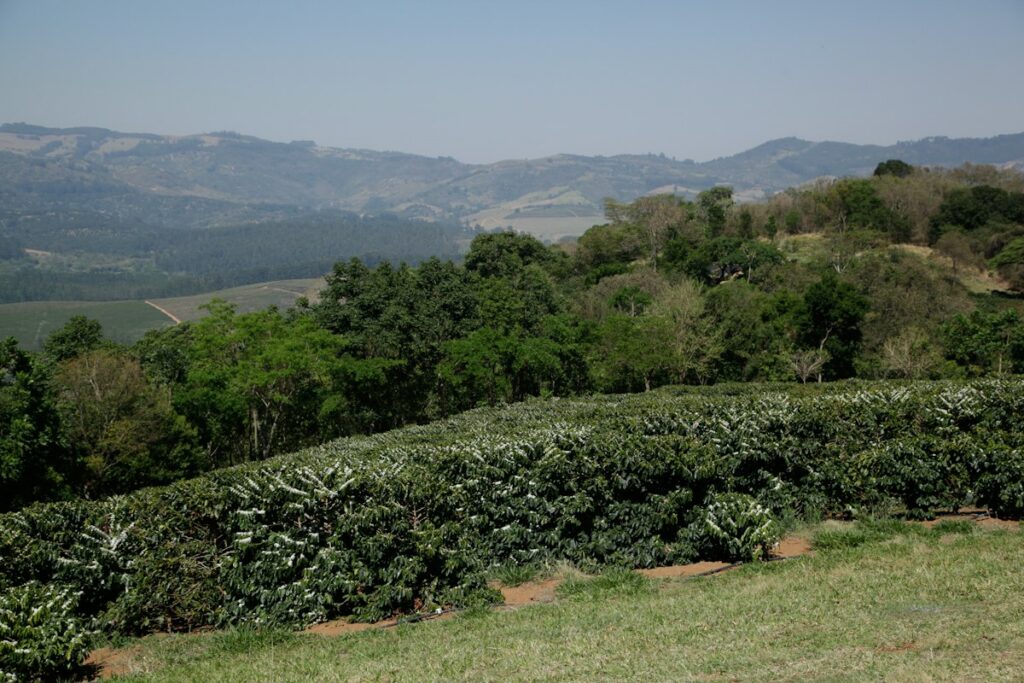
All three have one thing in common: they need warmth. Coffee only grows in a band around the equator — it’s called the coffee belt, and it runs roughly between the tropics, from Central and South America through Africa to South and Southeast Asia. But each species likes slightly different conditions. Arabica climbs into the mountains, where it’s cooler (ideally somewhere between 15 and 24 °C) and where, thanks to that, it ripens slowly. Robusta stays down in the warmer, more humid lowlands, resists disease better and usually bears more fruit. And liberica likes humid tropical lowlands; it comes from West Africa, but today it’s grown mainly in Southeast Asia. So it’s not just about three different flavours — each of these three coffee plants also needs slightly different conditions to live in.
What to take away?
- For filter and specialty coffee → most likely arabica, for its aromatic depth.
- For espresso → a little robusta in the blend is no sin; it adds body and crema.
- Instant coffee → most often robusta (or a blend with arabica).
- Liberica → a rare bird. If you come across it, taste it.
- And above all: a “100% arabica” stamp alone won’t guarantee you good coffee. Far more than the species, what matters is freshness and how the coffee was handled from the farm to your grinder. (We’ll talk about freshness some other time.)
Next time you’re standing at the shelf with that bag in your hand, you won’t just be thinking “arabica, yes or no”. You’ll know that behind that stamp there’s a story of three plants with completely different characters — and that you can choose according to what you feel like right now. And that, to my mind at least, is a much better way to drink coffee.
And you — are you team delicate arabica, or team proper robusta kick?
Article idea
What should I write about next?
Got a question you’re looking for an answer to, or a topic that tempts you? Tell me. The most interesting ideas will make it into the journal.